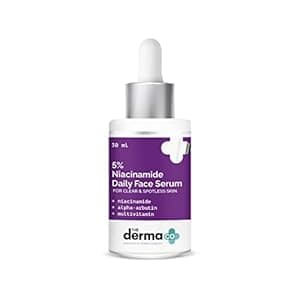
Marks & uneven tone
How to fade dark spots, acne marks and tan
Updated 12 October 2026
Dark spots, acne marks and tan all come from the same thing: extra pigment made where the skin was irritated or exposed to sun. They fade on their own, but slowly, and every day in the sun without protection undoes the progress.
So the order matters: sunscreen first, then one serum that targets pigment, used every night for at least eight weeks.
Step one: sunscreen, every day
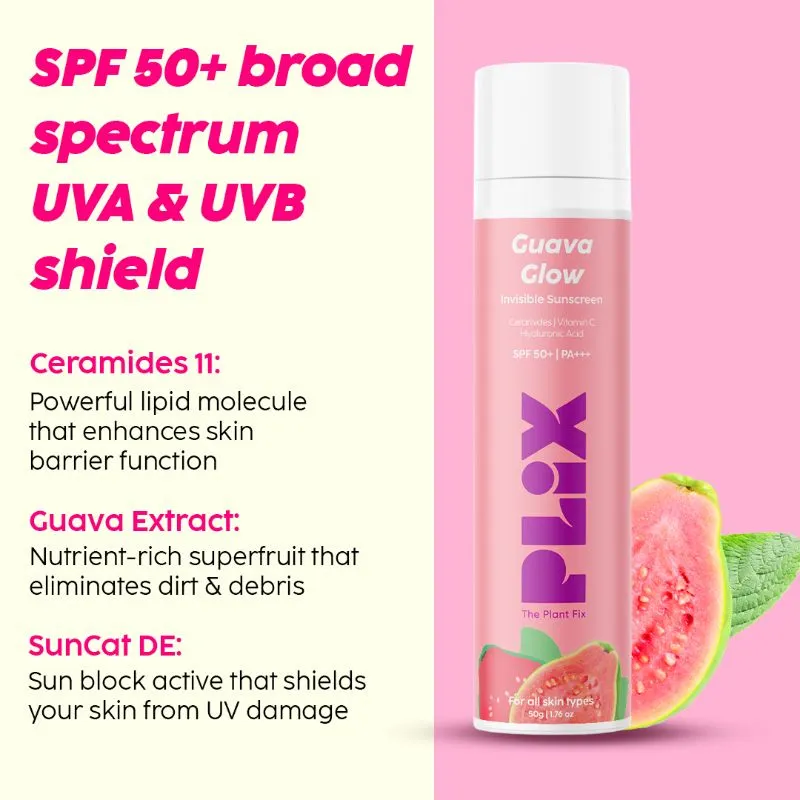
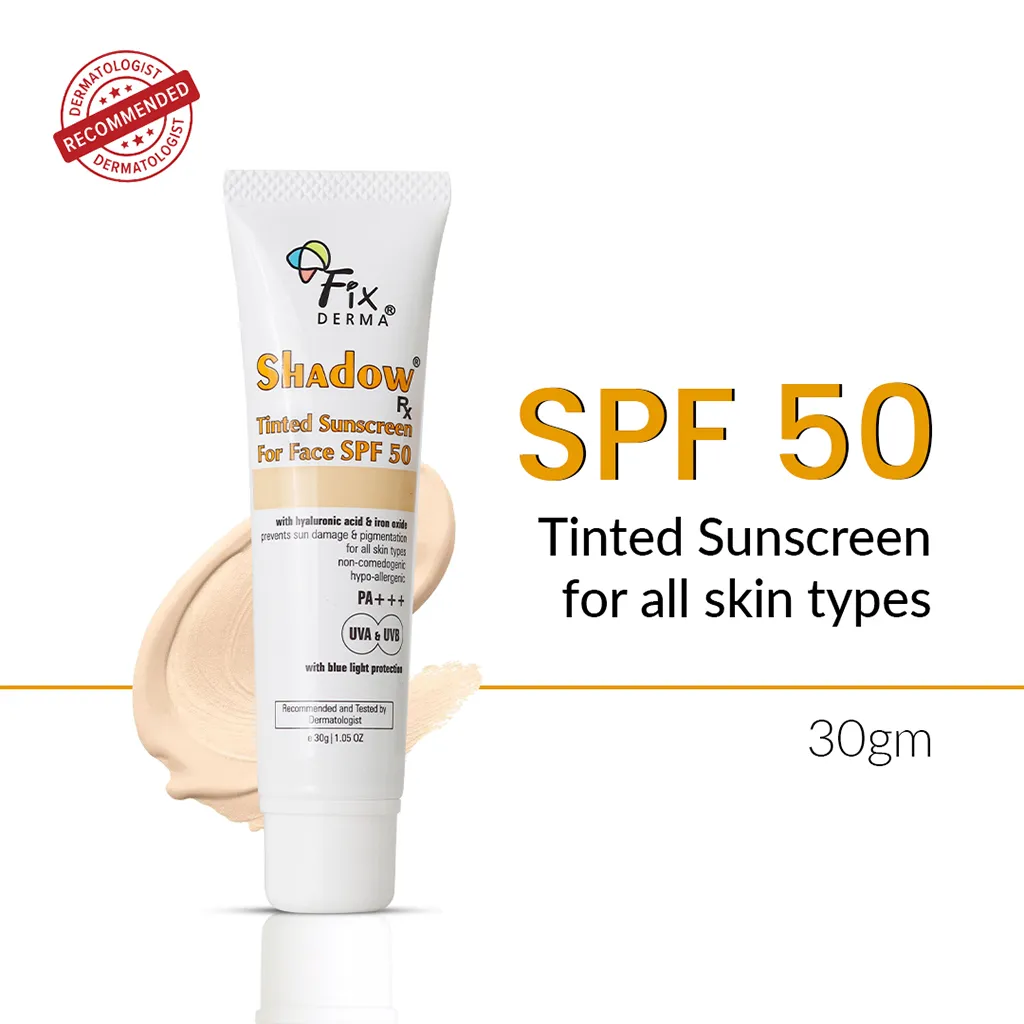
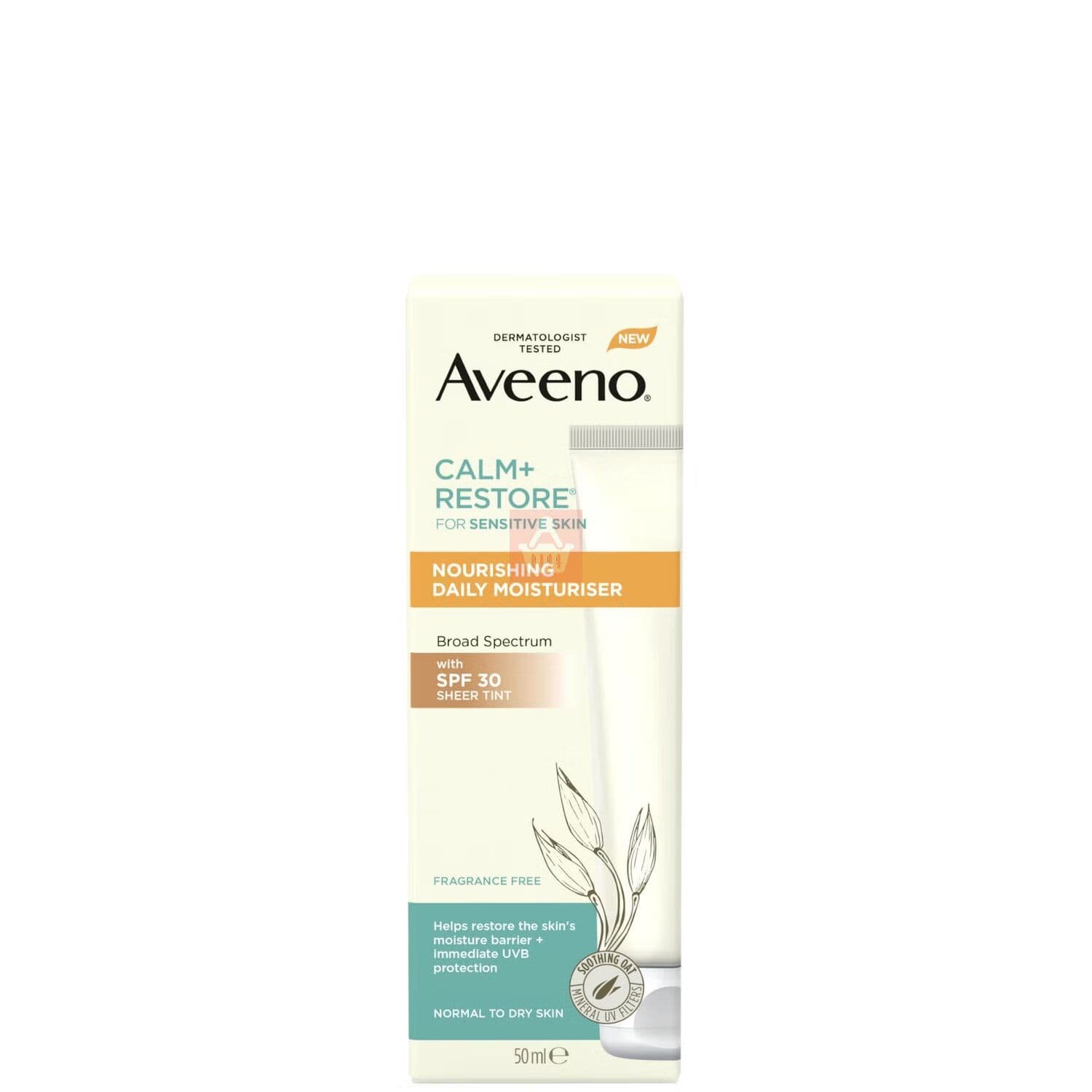
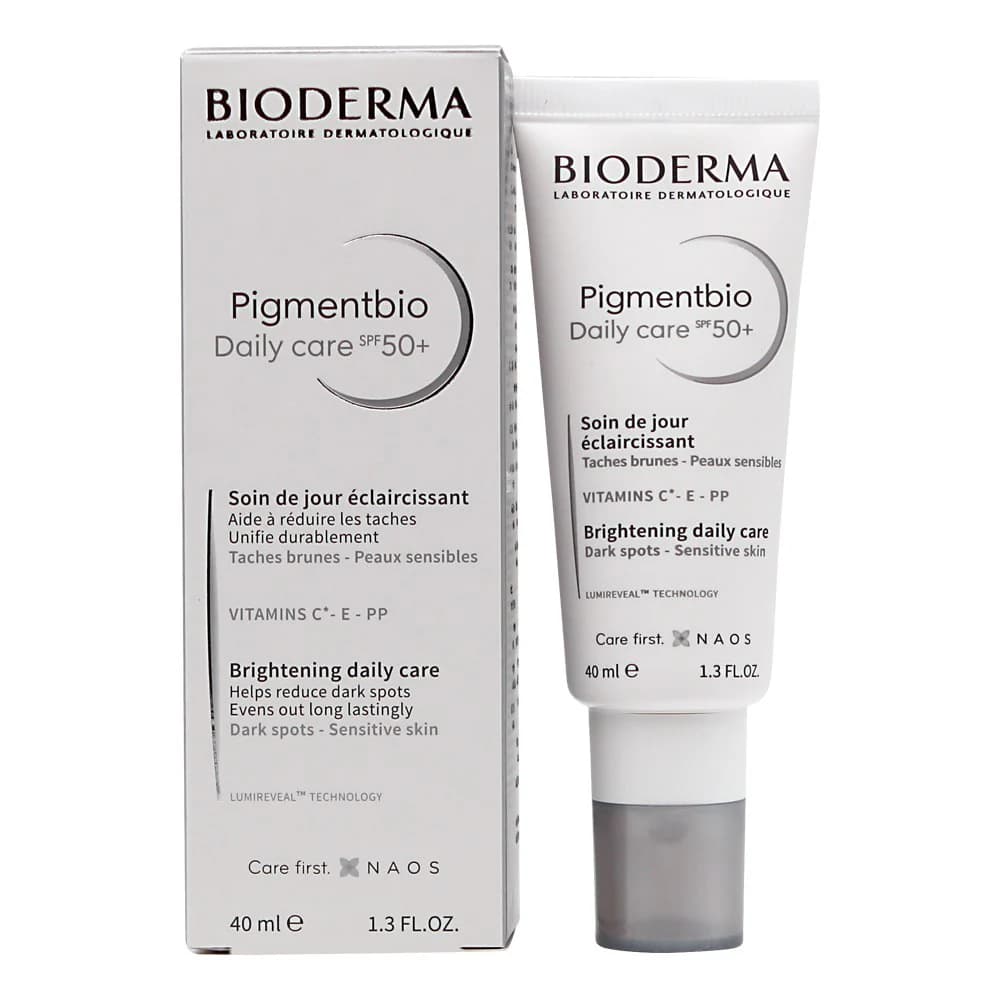
No serum fades marks if the skin keeps getting tanned. Use SPF 50 with PA+++ or more every morning, and reapply if you are outdoors.
Step two: one serum that works on pigment
Choose one and give it eight to twelve weeks.
- Vitamin C, in the morning under sunscreen, for dullness and fresh marks.
- Niacinamide, morning or night, gentle enough for most skins.
- Alpha arbutin, tranexamic acid or kojic acid, at night, for stubborn spots.
- Azelaic acid, at night, for marks with active acne.
- Exfoliating acids (glycolic, lactic), two or three nights a week, for tan and texture.
What to avoid
- Creams with steroids or mercury sold for 'instant' results. They thin the skin and cause the patches they promise to remove.
- Lemon, raw potato or baking soda on the face. They irritate the skin, and irritation makes more pigment.
- Using three pigment serums at once. More actives mean more irritation, not faster results.
Melasma is different
Brown patches on both cheeks, the forehead or above the lip, often during pregnancy or on hormonal pills, are usually melasma. It needs a doctor's plan; over-the-counter serums help but rarely clear it alone.